
Story by Science X staff
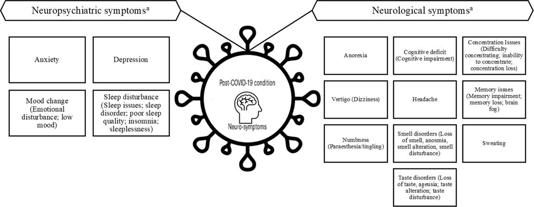
Reported neurological and neuropsychiatric symptoms related to Post-COVID-19 condition (PCC). Credit: PLOS One (2025). DOI: 10.1371/journal.pone.0314892
New research by Edith Cowan University (ECU) Center of Precision Health visiting Ph.D. scholar Ms. Debora Barbosa Ronca found that people with excess weight are more likely to experience long-term neurological and mental health symptoms after COVID-19, including headache, vertigo, smell and taste disorders, sleep disturbance, and depression.
The research is published in the journal PLOS One.
“We anticipated some level of association between excess weight and post-COVID-19 symptoms based on prior evidence linking obesity with worse COVID-19 long-term outcomes,” Ms. Ronca said.
“What stood out was the consistency of findings across a wide range of neurological and neuropsychiatric symptoms—including memory problems, depression, sleep disturbances, and sensory impairments. While we did not perform subgroup analyses by ethnicity, the inclusion of studies from 23 different countries suggests the global relevance of our findings.”
Excess weight has been associated with the development of long COVID or post-COVID-19 condition, as proposed by the World Health Organization.
While the mechanics behind the negative association between excess weight and long COVID is yet to be confirmed, Ms. Ronca noted that it could be linked to an exaggerated inflammatory response predisposed by excess fatty tissue in the body. Moreover, fat tissue helps the SARS-CoV-2 virus enter the body and may store the virus, allowing it to spread.
Some studies have shown that long COVID symptoms could persist for 12 months or longer, necessitating the need for long-term medical interventions.
“These symptoms of long COVID can significantly impact quality of life and may linger for months. As we face overlapping public health challenges in the post-pandemic era, such as long COVID, mental health issues, and rising rates of obesity, it’s essential to develop personalized and multidisciplinary care strategies to better support affected individuals,” Ms. Ronca said.
“Physicians and health care professionals should be aware that individuals with excess weight may be at higher risk of experiencing long-term neurological and mental health symptoms following COVID-19.
“This population may require closer monitoring and multidisciplinary care approaches. Integrating concomitant weight management, mental health support, and rehabilitation into post-COVID care plans could improve patient outcomes.”
Ms. Ronca initiated the study at the University of Brasília, with analysis carried out and completed at ECU.
More information: Débora Barbosa Ronca et al, Excess weight is associated with neurological and neuropsychiatric symptoms in post-COVID-19 condition: A systematic review and meta-analysis, PLOS One (2025). DOI: 10.1371/journal.pone.0314892
Provided by Edith Cowan UniversityThis story was originally published on Medical Xpress. Subscribe to our newsletter for the latest sci-tech news updates.