John Murphy, CEO Covid 10 Long-haul Foundationn
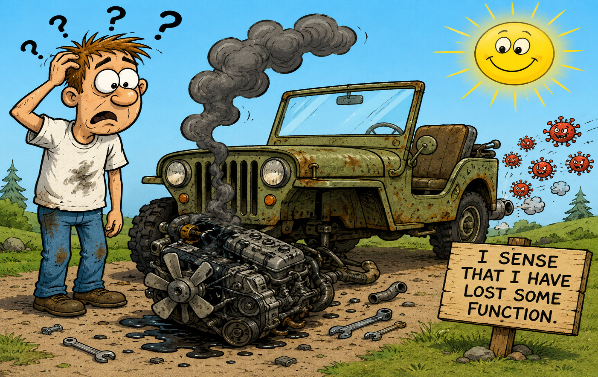
Loss of sensory-motor function affecting the hands, arms, legs, and feet has become one of the more disabling neurological manifestations reported after acute COVID-19 infection. The condition is usually not caused by a single disease process; rather, it reflects a spectrum of neurological injuries involving peripheral nerves, small nerve fibers, nerve roots, spinal cord pathways, autonomic nerves, skeletal muscle, microvasculature, and central nervous system networks.
Incidence and Prevalence
Neurological symptoms occur in approximately 30–70% of individuals with long COVID, depending on the population studied. Peripheral neuropathic symptoms (numbness, tingling, burning, weakness, sensory loss) are reported in roughly 10–40% of long-COVID patients. Studies from the National Institutes of Health RECOVER program and other cohorts have identified persistent sensory disturbances and weakness among the most common disabling neurological sequelae.
Common manifestations include:
- Distal numbness of the feet
- Loss of proprioception (position sense)
- Reduced grip strength
- Difficulty manipulating objects
- Impaired balance
- Leg weakness
- Gait instability
- Foot-drop
- Difficulty rising from a chair
- Fine motor impairment of the hands
In severe cases, patients may require canes, walkers, wheelchairs, or full-time assistance.
Pathophysiology
Several mechanisms appear responsible:
1. Small Fiber Neuropathy
Damage to unmyelinated and thinly myelinated nerve fibers produces:
- Burning pain
- Numbness
- Temperature sensation loss
- Autonomic dysfunction
Skin biopsy studies have demonstrated reduced nerve fiber density in many long-COVID patients.
2. Immune-Mediated Neuropathy
COVID may trigger:
- Chronic inflammatory demyelinating polyneuropathy (CIDP)
- Guillain-Barré syndrome
- Autoimmune neuropathies
These disorders can produce profound weakness and sensory loss.
3. Microvascular Injury
COVID-induced endothelial dysfunction causes:
- Capillary injury
- Microthrombosis
- Reduced oxygen delivery
Peripheral nerves are highly dependent on microvascular circulation and may undergo ischemic injury.
4. Neuroinflammation
Persistent inflammatory activation involving:
- Cytokines
- Activated microglia
- Autoantibodies
can disrupt motor and sensory pathways.
5. Muscle Injury
COVID may also affect:
- Skeletal muscle
- Mitochondrial function
- Neuromuscular junction transmission
resulting in weakness disproportionate to measurable nerve injury.
Spectrum of Functional Loss
Mild Disability
Patients may experience:
- Intermittent numbness
- Reduced dexterity
- Fatigue with walking
- Occasional balance disturbances
Most remain independent.
Moderate Disability
Typical findings:
- Significant sensory loss in feet
- Hand weakness
- Frequent falls
- Reduced grip strength
- Difficulty climbing stairs
- Difficulty standing from seated position
Assistive devices often become necessary.
Severe Disability
Symptoms may include:
- Extensive sensory loss below knees
- Marked arm and hand weakness
- Inability to button clothing
- Loss of handwriting ability
- Dependence on walkers or wheelchairs
Activities of daily living become impaired.
Profound Disability
The most severe cases involve:
- Near-complete sensory loss
- Severe motor weakness
- Inability to stand independently
- Dependence for bathing, dressing, and mobility
This level resembles advanced inflammatory neuropathies or severe spinal cord disorders.
Disability Indices
Neurological disability is often assessed using:
Modified Rankin Scale (mRS)
| Score | Disability |
|---|---|
| 0 | No symptoms |
| 1 | Minimal symptoms |
| 2 | Slight disability |
| 3 | Moderate disability |
| 4 | Moderately severe disability |
| 5 | Severe disability |
| 6 | Death |
Many long-COVID neuropathy patients fall within mRS 2–4.
Barthel Index
Evaluates:
- Feeding
- Dressing
- Walking
- Transfers
- Toileting
Lower scores indicate greater dependence.
Clinical Progression
Early Stage
Common findings:
- Tingling
- Numbness
- Burning feet
- Hand paresthesias
Symptoms may fluctuate.
Intermediate Stage
Progressive findings:
- Weakness
- Balance impairment
- Reduced grip strength
- Gait dysfunction
Advanced Stage
Patients may develop:
- Significant motor loss
- Muscle atrophy
- Falls
- Mobility dependence
Diagnostic Evaluation
Comprehensive evaluation includes:
Neurological Examination
Assessment of:
- Strength
- Reflexes
- Sensation
- Gait
- Coordination
Electromyography (EMG)
Identifies:
- Axonal injury
- Demyelination
- Motor unit dysfunction
Nerve Conduction Studies
Determine severity and distribution of nerve damage.
Skin Biopsy
Useful for diagnosing small fiber neuropathy.
MRI
May reveal:
- Spinal cord pathology
- Nerve root compression
- Central nervous system involvement
Laboratory Testing
Common evaluations include:
- Vitamin B12
- Folate
- Thyroid function
- Diabetes screening
- Autoimmune markers
- Inflammatory markers
Management
Rehabilitation
The cornerstone of treatment is:
- Physical therapy
- Occupational therapy
- Balance training
- Strengthening exercises
Early intervention improves outcomes.
Neuropathic Symptom Management
Common medications include:
- Gabapentin
- Pregabalin
- Duloxetine
- Amitriptyline
These reduce pain but generally do not reverse nerve injury.
Immune-Modulating Therapy
Selected patients with documented autoimmune neuropathies may benefit from:
- Intravenous immunoglobulin (IVIG)
- Corticosteroids
- Plasma exchange
Treatment requires specialist evaluation.
Management of Contributing Conditions
Important factors include:
- Diabetes control
- Nutritional optimization
- Correction of vitamin deficiencies
- Management of kidney disease
- Control of cardiovascular risk factors
Long-Term Prognosis
The prognosis varies widely.
Favorable Outcome
Patients with mild neuropathic symptoms often experience:
- Partial recovery over 6–24 months
- Improved strength
- Improved sensation
although residual symptoms frequently remain.
Intermediate Outcome
Many patients show:
- Persistent numbness
- Reduced endurance
- Ongoing balance problems
despite functional improvement.
Poor Outcome
Patients with severe axonal nerve injury, autoimmune neuropathy, substantial microvascular damage, or concomitant spinal disease may have permanent deficits.
Residual disability can include:
- Chronic gait impairment
- Persistent sensory loss
- Hand dysfunction
- Dependence on mobility aids
Relevance to Your Previously Described Symptoms
Progressive proximal thigh weakness, difficulty rising from a chair, loss of sensation in the feet, gait impairment requiring a walker, and significant long-COVID history—would generally warrant a comprehensive neurological evaluation because several potentially overlapping causes can produce this pattern:
- Long-COVID neuropathy or myopathy.
- Lumbar spinal stenosis and epidural lipomatosis.
- Nerve-root compression.
- Chronic inflammatory neuropathy.
- Metabolic neuropathy associated with diabetes.
- Uremic neuropathy related to chronic kidney disease.
When both sensory loss and motor weakness are progressing, neurologists typically consider EMG/nerve-conduction testing, spinal imaging review, and laboratory evaluation to determine how much impairment is due to peripheral nerve injury versus spinal cord or nerve-root compression, because prognosis and treatment differ substantially between these conditions.
COVID-19-associated spasticity is an emerging neurological syndrome that appears to result from injury to central motor pathways rather than direct damage to muscle itself. Although uncommon compared with fatigue, neuropathy, and dysautonomia, spasticity has been reported following acute COVID-19, severe COVID-19 encephalopathy, post-COVID inflammatory syndromes, stroke, myelitis, and in some patients with long COVID who develop persistent central nervous system dysfunction.
What Is Spasticity?
Spasticity is a disorder of muscle tone characterized by:
- Increased resistance to passive movement
- Hyperactive reflexes
- Muscle stiffness
- Involuntary muscle contractions
- Clonus (rhythmic muscle jerking)
- Abnormal posturing
- Difficulty with coordinated movement
The fundamental problem is loss of inhibitory control from upper motor neurons.
Normally, the brain continuously suppresses excessive spinal reflex activity. When this inhibition is lost, spinal motor circuits become overactive, producing excessive muscle contraction.
Mechanisms in COVID-19
Several pathological processes may contribute.
Neuroinflammation
COVID-19 induces widespread inflammatory activation involving:
- Microglia
- Astrocytes
- Cytokines
- Autoantibodies
Persistent inflammation may damage motor control pathways within the brain and spinal cord.
Microvascular Injury
COVID-19 can damage the vascular endothelium, causing:
- Capillary dysfunction
- Microthrombi
- Blood-brain barrier disruption
- Focal ischemic injury
Motor pathways are particularly vulnerable because of their high metabolic requirements.
Autoimmune Myelitis
Some patients develop inflammation of the spinal cord.
Conditions reported include:
- Acute transverse myelitis
- Longitudinal extensive myelitis
- Demyelinating syndromes
These disorders can directly interrupt descending motor tracts.
White Matter Injury
Neuroimaging studies have demonstrated abnormalities involving:
- Corticospinal tracts
- Corpus callosum
- Frontal white matter
- Brainstem pathways
These regions are essential for regulating muscle tone.
Progression of COVID-Related Spasticity
Stage 1: Subtle Dysfunction
Patients may notice:
- Leg tightness
- Calf stiffness
- Reduced flexibility
- Difficulty climbing stairs
- Fatigue
Examination may reveal mild hyperreflexia.
Stage 2: Established Spasticity
Typical findings include:
- Stiff gait
- Reduced stride length
- Toe dragging
- Muscle cramps
- Hyperreflexia
Walking becomes progressively inefficient.
Stage 3: Functional Impairment
Patients may develop:
- Scissoring gait
- Balance instability
- Frequent falls
- Difficulty rising from chairs
- Reduced hand dexterity
Assistive devices become necessary.
Stage 4: Severe Disability
Manifestations may include:
- Fixed contractures
- Severe rigidity
- Wheelchair dependence
- Inability to perform activities of daily living
Fortunately, this level appears uncommon.
Comparison with Parkinson Disease
COVID-related spasticity and Parkinson disease can appear superficially similar.
| Feature | COVID Spasticity | Parkinson Disease |
|---|---|---|
| Muscle stiffness | Common | Common |
| Slow movement | Common | Common |
| Tremor | Rare | Common |
| Hyperreflexia | Common | Rare |
| Rigidity | Variable | Characteristic |
| Postural instability | Common | Common |
| Bradykinesia | Variable | Hallmark |
The key difference is that Parkinson disease primarily involves degeneration of dopamine-producing neurons in the basal ganglia, whereas COVID-related spasticity generally reflects injury to corticospinal pathways and upper motor neuron networks.
The pathological substrate is fundamentally different despite overlapping symptoms.
Relevant entity: Parkinson’s Disease
Comparison with ALS
COVID-related spasticity may resemble early ALS because both can produce:
- Hyperreflexia
- Muscle stiffness
- Weakness
- Gait dysfunction
However, ALS usually demonstrates progressive degeneration of both upper and lower motor neurons.
Features more suggestive of ALS include:
- Fasciculations
- Progressive muscle wasting
- Marked weakness
- Bulbar dysfunction
COVID-related syndromes often exhibit fluctuating symptoms and may stabilize or partially improve.
Relevant entity: Amyotrophic Lateral Sclerosis
Similarities to Seizure Disorders
COVID-related spasticity differs fundamentally from epilepsy but shares certain mechanistic features.
Both may involve:
- Neuroinflammation
- Abnormal neuronal excitability
- Altered neurotransmitter signaling
- Disrupted inhibitory networks
In epilepsy, excessive neuronal firing produces seizures.
In spasticity, excessive spinal motor neuron activity produces sustained muscle contraction.
The underlying principle is similar: loss of normal inhibitory control.
Relevant entity: Epilepsy
Neurophysiology of Spasticity
The primary motor pathway affected is the corticospinal tract.
f(x)=Motor Output−Inhibitory Control
Conceptually, normal movement depends upon a balance between excitatory and inhibitory neural signals. When inhibitory pathways are damaged:
- Reflex circuits become overactive.
- Muscle stretch triggers exaggerated responses.
- Alpha motor neurons fire excessively.
- Sustained contraction develops.
- Movement becomes inefficient and rigid.
Clinical Findings
Neurological examination may reveal:
- Hyperreflexia
- Clonus
- Positive Babinski sign
- Increased muscle tone
- Velocity-dependent resistance to movement
- Spastic gait
These findings indicate upper motor neuron dysfunction.
Diagnostic Evaluation
Assessment often includes:
MRI Brain
Looking for:
- White matter injury
- Stroke
- Demyelination
- Neuroinflammation
MRI Spine
Evaluating:
- Myelitis
- Cord compression
- Degenerative disease
EMG and Nerve Conduction Studies
Helpful in distinguishing:
- Neuropathy
- Myopathy
- Motor neuron disease
Cerebrospinal Fluid Analysis
May identify:
- Autoimmune activity
- Inflammation
- Demyelinating processes
Management
Treatment focuses on reducing muscle overactivity and preserving function.
Common approaches include:
- Physical therapy
- Stretching programs
- Occupational therapy
- Gait training
Medications may include:
- Baclofen
- Tizanidine
- Diazepam
Severe cases may require:
- Intrathecal baclofen pumps
- Botulinum toxin injections
- Advanced rehabilitation
Long-Term Prognosis
Current evidence suggests three broad trajectories:
Recovery Pattern
Patients with predominantly inflammatory injury may improve over months to years.
Persistent Deficit Pattern
Many stabilize with residual stiffness and gait abnormalities.
Progressive Neurodegenerative-Like Pattern
A small subset of patients develop persistent neurological decline that can resemble Parkinsonian syndromes, upper motor neuron syndromes, or chronic neuroinflammatory disorders. Whether COVID initiates, accelerates, or unmasks latent neurodegenerative disease remains an active area of research.
For someone with long-COVID, progressive leg weakness, sensory loss, difficulty standing, and gait impairment—as previously described—the critical distinction is whether symptoms arise from:
- Peripheral neuropathy,
- Spinal cord involvement,
- Lumbar nerve-root compression,
- Epidural lipomatosis,
- Uremic neuropathy from kidney disease,
- Long-COVID neuroinflammation,
or a combination of these processes. The pattern of reflexes, muscle tone, EMG findings, and spinal imaging often provides the most important clues regarding the underlying mechanism and expected prognosis.