John Murphy, CEO The COVID-19 Long-haul Foundation
Abstract
Post-acute sequelae of SARS-CoV-2 infection (PASC), commonly termed long COVID, is increasingly recognized as a heterogeneous, multisystem disorder that may occur after clinically mild or even asymptomatic acute infection. Early assumptions that long COVID would correlate with disease severity have been refuted by large cohort studies demonstrating substantial symptom burden among individuals with minimal or unrecognized acute illness. The pathogenesis appears multifactorial, involving persistent viral antigen, immune dysregulation, autoimmunity, endothelial dysfunction, and microvascular injury, though no single mechanism explains all cases. This review synthesizes current epidemiologic evidence and mechanistic hypotheses, emphasizing the paradox that long COVID frequently follows infections that were not clinically remarkable at the time of onset. Understanding this dissociation is essential for surveillance, diagnosis, and therapeutic development.
Introduction
The emergence of SARS-CoV-2 infection in late 2019 introduced not only an acute respiratory pandemic but also a chronic post-viral condition that has challenged conventional models of infectious disease recovery. While initial clinical frameworks focused on acute severity—pneumonia, hypoxemic respiratory failure, and mortality—it became increasingly evident by mid-2020 that a subset of individuals developed persistent symptoms extending weeks to years beyond viral clearance or clinical recovery.
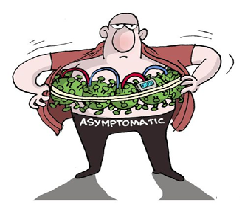
This syndrome, now termed post-acute sequelae of SARS-CoV-2 infection (PASC), or long COVID, encompasses fatigue, cognitive impairment, dyspnea, dysautonomia, gastrointestinal dysfunction, and musculoskeletal pain among many other manifestations. Importantly, a striking and initially unexpected feature of long COVID is its frequent occurrence following mild or even asymptomatic acute infection.
This observation fundamentally disrupts traditional paradigms of post-infectious morbidity, which typically correlate chronic sequelae with acute disease severity. In contrast, SARS-CoV-2 appears capable of inducing prolonged systemic dysfunction in hosts who never experienced clinically significant illness.
This review addresses three central questions:
- How often does long COVID occur after mild or asymptomatic infection?
- What biological mechanisms may decouple acute severity from chronic outcome?
- What are the implications for surveillance, diagnosis, and prevention?
Epidemiology: Long COVID After Mild or Asymptomatic Infection
1. Incidence across severity strata
Multiple cohort studies have demonstrated that long COVID is not restricted to hospitalized patients. In population-based analyses, a substantial fraction of individuals reporting persistent symptoms were never hospitalized and often managed illness at home.
A large UK Office for National Statistics (ONS) survey found that a significant proportion of long COVID cases occurred in individuals who reported only mild initial illness, with symptom persistence beyond 12 weeks regardless of acute severity.[1]
Similarly, the U.S. Centers for Disease Control and Prevention (CDC) household survey data indicate that long COVID prevalence is not strongly dose-dependent on acute disease severity, although hospitalization increases risk modestly.[2]
2. Asymptomatic infection as a precursor
Perhaps more striking is the evidence that even asymptomatic infections can precede long COVID. Serologic and retrospective cohort studies suggest that individuals unaware of infection at the time of exposure may later develop symptoms consistent with PASC, often recognized only after antibody testing or epidemiologic linkage.
This phenomenon introduces a major diagnostic challenge: long COVID may emerge in patients without a clearly identifiable acute infection event.
3. Risk is probabilistic, not deterministic
The dissociation between acute illness severity and long-term outcome suggests that long COVID is not simply a consequence of tissue injury sustained during severe infection. Instead, it behaves more like a stochastic post-infectious syndrome, where host factors—genetic predisposition, immune baseline state, and vascular integrity—may determine risk more strongly than viral burden.
4. Pediatric and young adult populations
Long COVID has also been documented in children and adolescents, including those with mild or asymptomatic infections. Although prevalence estimates vary widely due to methodological differences, persistent symptoms affecting school performance, exercise tolerance, and neurocognitive function have been reported across multiple pediatric cohorts.[3]
Pathophysiologic Paradox: Why mild infection can still produce severe chronic disease
The key conceptual challenge is explaining how a relatively trivial or unnoticed acute infection can lead to prolonged multisystem dysfunction.
Several non-mutually exclusive mechanisms have been proposed:
A. Immune priming independent of symptom severity
Even asymptomatic infection involves viral replication sufficient to trigger innate immune activation. In some individuals, this response may become dysregulated, resulting in prolonged inflammatory signaling even after viral clearance.
Importantly, symptom severity during acute infection is not a reliable proxy for immune activation magnitude.
B. Tissue tropism without clinical expression
SARS-CoV-2 demonstrates broad tissue tropism, including:
- gastrointestinal epithelium
- vascular endothelium
- nervous system tissue
- cardiac tissue
Subclinical infection of these compartments may occur without producing overt acute symptoms, yet still induce persistent functional changes.
C. Persistent viral antigen or reservoirs
Emerging evidence suggests that viral RNA, protein, or replication-competent reservoirs may persist in some tissues for extended periods. Such persistence has been detected in gastrointestinal biopsies and lymphoid tissue months after infection in some studies.[4]
Importantly, such persistence may occur regardless of initial symptom severity.
D. Host susceptibility rather than viral burden
A central hypothesis is that long COVID reflects host vulnerability rather than acute disease intensity. Factors under investigation include:
- pre-existing endothelial dysfunction
- latent autoimmunity
- metabolic syndrome
- mitochondrial impairment
- genetic polymorphisms in immune regulation pathways
This framework aligns with observations that individuals with minimal acute illness may nonetheless develop profound chronic symptoms.
Discussion: Implications of dissociation between acute and chronic disease
The recognition that long COVID frequently follows mild or asymptomatic infection has several implications:
- Surveillance limitation: reliance on clinically apparent infection underestimates true population burden.
- Diagnostic ambiguity: absence of documented acute infection does not exclude long COVID.
- Public health modeling: infection-to-disability ratios are likely underestimated.
- Clinical bias correction: physicians may incorrectly downplay risk in mild cases.
This challenges traditional infectious disease frameworks in which post-acute complications are proportional to initial disease severity.
Conclusion of Part I
Long COVID represents a post-infectious syndrome that is only loosely correlated with acute clinical severity. Its occurrence following mild or asymptomatic infection suggests that the pathogenesis is driven less by overt tissue damage and more by host–pathogen interaction dynamics that persist beyond viral clearance or clinical resolution.
Understanding this paradox is essential for developing accurate diagnostic criteria and targeted therapies.
Long COVID Following Mild or Asymptomatic SARS-CoV-2 Infection (Part II): Mechanistic Pathways Underlying Post-Acute Sequelae
Mechanistic Framework
The central paradox of post-acute sequelae of SARS-CoV-2 infection (PASC), or long COVID, is the frequent absence of correlation between acute clinical severity and chronic disease burden. This observation implies that long COVID is not merely a consequence of organ damage incurred during severe infection but instead reflects a set of interrelated biological processes that may be initiated even during clinically silent or minimally symptomatic infection.
Current mechanistic models converge on six partially overlapping domains:
- Persistent viral antigen or reservoirs
- Immune dysregulation and chronic inflammation
- Autoimmunity and molecular mimicry
- Endothelial dysfunction and microvascular injury
- Autonomic nervous system disruption
- Metabolic and mitochondrial impairment
These mechanisms are not mutually exclusive and likely interact in reinforcing feedback loops.
1. Persistent Viral Antigen and Tissue Reservoirs
1.1 Evidence for persistence
Multiple studies have demonstrated persistence of SARS-CoV-2 RNA, protein, or viral particles in human tissues weeks to months after acute infection. Viral components have been detected in:
- gastrointestinal epithelium
- lymphoid tissues (tonsils, lymph nodes)
- circulating mononuclear cells
- olfactory mucosa
Importantly, persistence has been observed in patients who experienced mild or even asymptomatic infection, suggesting that initial symptom burden is not predictive of viral clearance kinetics.
1.2 Biological significance
Persistent viral antigen may act as a chronic immune stimulant, maintaining low-grade interferon signaling and T-cell activation. Unlike productive infection, these reservoirs may not cause overt cytopathic effects but may sustain systemic immune activation.
This model is analogous to other chronic viral infections, though SARS-CoV-2 appears to lack classical latency yet may persist in immune-privileged or low-turnover tissues.
2. Immune Dysregulation and Chronic Inflammatory Signaling
2.1 Innate immune activation
Studies of long COVID cohorts reveal persistent elevation of inflammatory mediators, including:
- interleukin-6 (IL-6)
- tumor necrosis factor-alpha (TNF-α)
- interferon-stimulated gene signatures
These patterns suggest incomplete resolution of the innate immune response following infection.
2.2 Adaptive immune abnormalities
Longitudinal immune profiling has identified:
- altered CD8+ T-cell exhaustion profiles
- reduced naïve T-cell populations
- dysregulated B-cell activation states
- persistent plasmablast expansion in some cohorts
Notably, these immune abnormalities have been documented in individuals with mild acute disease, indicating that immune perturbation may occur independently of clinical severity.
2.3 Chronic immune activation hypothesis
A leading model proposes that long COVID represents a state of maladaptive immune persistence, wherein immune pathways fail to fully return to baseline homeostasis after viral clearance or control.
3. Autoimmunity and Molecular Mimicry
3.1 Autoantibody generation
A growing body of evidence demonstrates the presence of autoantibodies in subsets of patients with long COVID, including antibodies directed against:
- G-protein-coupled receptors (GPCRs)
- phospholipids
- type I interferon pathways
- neuronal and autonomic targets
These findings suggest that SARS-CoV-2 infection may trigger autoimmune processes in genetically or immunologically predisposed individuals.
3.2 Mechanisms of autoimmunity
Potential mechanisms include:
- molecular mimicry between viral epitopes and host proteins
- bystander activation during inflammatory cytokine storms
- epitope spreading following tissue injury
- dysregulated B-cell tolerance checkpoints
Importantly, autoantibody formation has been documented in individuals without severe acute illness, supporting the hypothesis that immune dysregulation—not tissue destruction—is the primary driver.
4. Endothelial Dysfunction and Microvascular Injury
4.1 Endothelial infection and activation
SARS-CoV-2 can infect or activate endothelial cells via ACE2-dependent and independent pathways. Endothelial dysfunction may persist beyond viral clearance due to:
- sustained inflammatory signaling
- oxidative stress
- immune-mediated endothelial injury
4.2 Microvascular impairment
A particularly significant hypothesis involves microvascular injury and impaired perfusion. Studies have identified:
- endothelial swelling
- capillary rarefaction
- microthrombi containing fibrin-amyloid complexes
- impaired red blood cell deformability in some cohorts
These abnormalities may contribute to multisystem symptoms such as fatigue, exertional intolerance, cognitive dysfunction, and dyspnea.
4.3 Dissociation from acute severity
Microvascular injury may occur even in mild infection due to endothelial tropism of the virus and host inflammatory response, rather than overt systemic illness.
5. Autonomic Nervous System Dysfunction
5.1 Dysautonomia spectrum
A significant subset of long COVID patients exhibit features of autonomic dysfunction, including:
- orthostatic intolerance
- tachycardia disproportionate to exertion
- blood pressure lability
- gastrointestinal dysmotility
- thermoregulatory instability
These features overlap strongly with postural orthostatic tachycardia syndrome (POTS).
5.2 Mechanistic hypotheses
Potential mechanisms include:
- autoimmune targeting of autonomic receptors
- small fiber neuropathy
- central autonomic network inflammation (brainstem involvement)
- impaired baroreceptor signaling
Importantly, dysautonomia can follow mild infection, suggesting that subtle neuroimmune perturbation is sufficient to induce long-term dysfunction.
6. Mitochondrial and Metabolic Dysfunction
6.1 Cellular energy impairment
Emerging evidence suggests that long COVID may involve impaired cellular energetics, including:
- reduced mitochondrial oxidative phosphorylation efficiency
- altered fatty acid metabolism
- increased reliance on anaerobic glycolysis
These changes may contribute to exercise intolerance and post-exertional symptom exacerbation.
6.2 Metabolic reprogramming
Immune activation itself induces metabolic shifts in immune cells, but in long COVID these shifts may become maladaptive and persistent, leading to systemic energy deficits.
This model aligns with similarities to myalgic encephalomyelitis/chronic fatigue syndrome (ME/CFS), where mitochondrial and metabolic dysfunction have long been proposed.
Integrated Model: A Multisystem Feed-Forward Loop
The above mechanisms are best understood not as independent pathways but as interconnected feedback loops:
- Persistent antigen drives immune activation
- Immune activation damages endothelium
- Endothelial injury impairs tissue perfusion
- Hypoperfusion and inflammation disrupt mitochondrial function
- Metabolic dysfunction worsens immune dysregulation
- Autonomic instability amplifies systemic stress responses
This cycle may become self-sustaining even after the inciting infection has resolved.
Implications of Mechanistic Diversity
The mechanistic heterogeneity of long COVID helps explain why:
- symptom patterns vary widely
- laboratory abnormalities are inconsistent
- treatment responses are unpredictable
- disease can follow mild or asymptomatic infection
It also suggests that long COVID is not a single disease entity but a spectrum of overlapping post-viral syndromes with shared initiating triggers.
Conclusion of Part II
Long COVID following mild or asymptomatic infection reflects complex host–pathogen interactions that extend far beyond the severity of the initial viral illness. Persistent antigenic stimulation, immune dysregulation, autoimmunity, endothelial dysfunction, autonomic instability, and metabolic impairment together form a biologically coherent framework capable of producing chronic multisystem disease even in the absence of significant acute clinical illne.
Long COVID Following Mild or Asymptomatic SARS-CoV-2 Infection
Organ System Manifestations, Clinical Implications, and Therapeutic Directions
PART III: ORGAN SYSTEM MANIFESTATIONS
Introduction
Although long COVID is mechanistically heterogeneous, its clinical expression converges on a recognizable multisystem phenotype. The syndrome is characterized less by organ-specific failure than by integrated physiological dysfunction affecting neurologic, cardiovascular, respiratory, renal, and gastrointestinal systems simultaneously. This distribution strongly suggests systemic regulatory disruption rather than isolated end-organ injury.
Importantly, these manifestations occur frequently in patients whose acute infection was mild or asymptomatic, reinforcing the concept that long COVID reflects persistent biological dysregulation rather than severity-dependent organ damage.
1. Neurologic and Cognitive Dysfunction
1.1 Cognitive impairment (“brain fog”)
One of the most commonly reported manifestations is persistent cognitive dysfunction, often described as:
- impaired attention and concentration
- slowed processing speed
- short-term memory deficits
- executive dysfunction
- word-finding difficulty
Neuroimaging studies have demonstrated subtle but measurable changes in:
- gray matter volume reduction in frontal and limbic regions
- altered functional connectivity in default mode and salience networks
- microstructural white matter abnormalities
These findings suggest a distributed network disorder rather than focal injury.
1.2 Neuroinflammation hypothesis
Post-mortem and imaging studies support the presence of persistent neuroinflammation characterized by:
- activated microglia
- astrocytic reactivity
- cytokine penetration of the blood–brain barrier
Even mild infection may be sufficient to trigger neuroimmune activation via:
- vagal nerve signaling
- endothelial activation in cerebral microvasculature
- systemic cytokine diffusion
1.3 Small fiber neuropathy and sensory dysfunction
Peripheral neurologic manifestations include:
- paresthesias
- dysesthesia
- burning pain
- autonomic sensory disturbances
Skin biopsy studies in some cohorts demonstrate reduced small fiber density, suggesting peripheral neurodegeneration or immune-mediated neuropathy.
2. Cardiovascular and Microvascular Dysfunction
2.1 Endothelial dysfunction
Endothelial injury is now recognized as a central feature of long COVID. Mechanisms include:
- direct viral endothelial tropism
- immune-mediated endothelial damage
- oxidative stress and nitric oxide dysregulation
This leads to impaired vasoregulation and microvascular perfusion abnormalities.
2.2 Dysautonomia and heart rate variability
A substantial proportion of patients exhibit:
- inappropriate sinus tachycardia
- orthostatic intolerance
- postural tachycardia syndrome (POTS)-like physiology
These abnormalities may reflect combined autonomic and vascular dysregulation rather than primary cardiac disease.
2.3 Microvascular ischemia
Evidence suggests impaired oxygen delivery at the capillary level, potentially due to:
- microthrombi
- endothelial swelling
- red blood cell deformability changes
- fibrin-amyloid microclots (reported in selected studies)
This may explain exertional intolerance disproportionate to cardiopulmonary findings.
3. Pulmonary and Exertional Physiology
3.1 Persistent dyspnea
Many patients report dyspnea despite normal resting pulmonary function tests. Proposed mechanisms include:
- impaired oxygen extraction
- ventilatory control abnormalities
- microvascular pulmonary dysfunction
- autonomic dysregulation of respiratory drive
3.2 Post-exertional symptom exacerbation (PESE)
A hallmark feature is delayed symptom worsening after exertion, including:
- fatigue
- cognitive decline
- myalgias
- autonomic instability
This phenomenon resembles that observed in myalgic encephalomyelitis/chronic fatigue syndrome (ME/CFS), suggesting shared pathophysiologic pathways.
3.3 Pulmonary vascular involvement
Subclinical pulmonary vascular dysfunction may persist even after mild infection due to:
- endothelial injury in pulmonary capillaries
- impaired hypoxic vasoconstriction
- microthrombotic burden
4. Renal and Metabolic Dysfunction
4.1 Renal susceptibility
Kidney involvement in long COVID may occur even in mild acute infection due to:
- renal endothelial expression of ACE2
- microvascular susceptibility
- systemic inflammatory signaling
Observed abnormalities include:
- reduced estimated glomerular filtration rate (eGFR) in some cohorts
- proteinuria
- tubular dysfunction markers
4.2 Metabolic dysregulation
Systemic metabolic abnormalities include:
- insulin resistance in some patients
- altered lipid metabolism
- mitochondrial inefficiency
- abnormal lactate dynamics during exertion
These findings suggest that long COVID may represent a systemic metabolic reprogramming disorder.
5. Gastrointestinal and Hepatic Manifestations
5.1 Persistent gastrointestinal symptoms
Common features include:
- abdominal pain
- altered bowel habits (diarrhea or constipation)
- reflux symptoms
- nausea and early satiety
5.2 Viral persistence in gut tissue
SARS-CoV-2 RNA and protein have been identified in gastrointestinal tissues months after infection, suggesting that the gut may serve as a reservoir for antigen persistence.
5.3 Microbiome disruption
Alterations in gut microbial composition may contribute to:
- immune dysregulation
- barrier dysfunction (“leaky gut”)
- chronic inflammatory signaling
6. Integrated Organ System Perspective
The organ-specific manifestations of long COVID should be interpreted as components of a unified systemic disorder characterized by:
- endothelial dysfunction across vascular beds
- persistent immune activation
- autonomic dysregulation affecting multiple organs
- metabolic and mitochondrial inefficiency
This integrated model explains why symptoms often cluster across systems rather than presenting as isolated organ disease.
PART IV: CLINICAL IMPLICATIONS AND THERAPEUTIC DIRECTIONS
1. Diagnostic Challenges
1.1 Absence of definitive biomarkers
Despite extensive research, no single biomarker defines long COVID. Diagnosis remains clinical, based on:
- history of SARS-CoV-2 exposure (documented or presumed)
- persistent symptoms >3 months
- exclusion of alternative diagnoses
This is particularly challenging in patients with asymptomatic acute infection.
1.2 Under-recognition of asymptomatic precursors
Because infection may not have been clinically recognized, many patients present without a documented acute illness, leading to misclassification or delayed diagnosis.
2. Differential Diagnosis
Long COVID overlaps with several post-viral and systemic conditions, including:
- Myalgic encephalomyelitis/chronic fatigue syndrome
- dysautonomia syndromes (including Postural orthostatic tachycardia syndrome)
- autoimmune connective tissue diseases
- small fiber neuropathy syndromes
- chronic inflammatory response syndromes
Distinguishing these conditions requires careful longitudinal assessment rather than single-point evaluation.
3. Current Therapeutic Landscape
3.1 Symptomatic management
Most current treatment approaches are supportive:
- graded pacing strategies (avoidance of post-exertional exacerbation)
- autonomic stabilization (fluid, salt, compression therapy in selected patients)
- sleep regulation and cognitive pacing
- targeted rehabilitation (non-exertional thresholds in ME/CFS-like phenotypes)
3.2 Immunomodulatory approaches
Investigational therapies include:
- low-dose naltrexone
- antihistamines (H1/H2 blockade in mast-cell–like phenotypes)
- corticosteroids (limited and phenotype-dependent use)
- intravenous immunoglobulin (in selected autoimmune presentations)
Evidence remains preliminary and heterogeneous.
3.3 Antiviral strategies
The hypothesis of persistent viral reservoirs has led to trials of:
- nirmatrelvir–ritonavir in post-acute settings
- extended antiviral regimens (experimental)
Results to date are mixed and likely dependent on patient subtypes.
3.4 Anticoagulation and endothelial-targeted therapies
Given microvascular hypotheses, investigational approaches include:
- antiplatelet agents
- anticoagulants (carefully selected populations only)
- endothelial-protective strategies (statins, ACE modulation)
However, robust randomized evidence is currently lacking, and risks may outweigh benefits in unselected populations.
4. Rehabilitation and Functional Recovery
A critical clinical insight is that traditional “graded exercise therapy” may worsen symptoms in a subset of patients due to post-exertional symptom exacerbation.
Instead, emerging frameworks emphasize:
- energy envelope management
- autonomic-aware rehabilitation
- avoidance of symptom-triggering exertion thresholds
Recovery trajectories are often nonlinear and prolonged.
5. The NIH RECOVER Initiative and Future Directions
Large-scale longitudinal studies, including the NIH RECOVER program, are working to:
- identify biological subtypes of long COVID
- establish predictive biomarkers
- stratify therapeutic response patterns
- define natural history across severity strata
Preliminary findings reinforce the heterogeneity of the condition and the importance of host factors over acute disease severity.
Conclusion (Parts III–IV)
Long COVID is a multisystem disorder that frequently follows mild or even asymptomatic SARS-CoV-2 infection. Its clinical expression spans neurologic, cardiovascular, pulmonary, renal, gastrointestinal, and autonomic systems, reflecting a unified underlying biology of immune, endothelial, and metabolic dysregulation.
The dissociation between acute infection severity and chronic outcome fundamentally challenges conventional paradigms of post-infectious disease and suggests that long COVID is driven primarily by host response patterns rather than initial viral burden.
Future progress will depend on stratifying patients into biologically meaningful subtypes and developing targeted therapies rather than uniform treatment approaches.
References
- Office for National Statistics (UK). Prevalence of ongoing symptoms following coronavirus (COVID-19) infection in the UK. 2023–2025 reports.
- Centers for Disease Control and Prevention (CDC). Long COVID household pulse survey data. Morbidity and Mortality Weekly Report (MMWR), multiple issues 2022–2024.
- Buonsenso D, et al. Post-COVID condition in children and adolescents. The Lancet Child & Adolescent Health. 2022.
- Gaebler C, et al. Evolution of antibody immunity to SARS-CoV-2. Nature. 2021. (and related tissue persistence studies in gastrointestinal tract)
- Su Y, et al. Multiple early factors anticipate post-acute COVID-19 sequelae. Cell. 2022.
- Patterson BK, et al. Immune-based prediction of COVID-19 severity and chronic outcomes. medRxiv. 2021.
- Anderson G, Maes M. Autoimmune mechanisms in post-viral syndromes. Journal of Affective Disorders Reports. 2021.
- Davis HE, et al. Characterizing long COVID in an international cohort. eClinicalMedicine (Lancet). 2021.
- Nalbandian A, et al. Post-acute COVID-19 syndrome. Nature Medicine. 2021.
- Davis HE, et al. Characterizing long COVID in an international cohort. eClinicalMedicine. 2021.
- Nalbandian A, et al. Post-acute COVID-19 syndrome. Nature Medicine. 2021.
- Taquet M, et al. Incidence and outcomes of long COVID. The Lancet Psychiatry. 2022.
- Raman B, et al. Medium-term effects of SARS-CoV-2 infection. Nature Medicine. 2021.
- WHO. Clinical case definition of post COVID-19 condition. 2021.
- CDC. Post-COVID conditions: information for healthcare providers. 2023–2025 updates.
- Al-Aly Z, et al. Long-term outcomes after SARS-CoV-2 infection. Nature Medicine. 2021–2023 series.