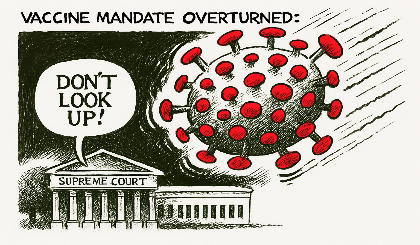
Five years into the COVID-19 pandemic, the decision to mandate mRNA vaccines for children remains one of the most controversial public health actions in recent history. Critics argue that these mandates were unnecessary, ineffective, and potentially harmful, especially given the low risk of severe COVID-19 in healthy children and the emergence of adverse events like myocarditis. The question now is: Who will be held accountable?
⚖️ Mandates Without Long-Term Safety Data
COVID-19 vaccines were authorized for emergency use in children as young as six months, despite limited long-term safety data. While short-term trials showed efficacy in reducing symptomatic infection, critics point out:
- No evidence of durable immunity: Antibody levels waned within months, requiring repeated boosters
- Minimal benefit for healthy children: Hospitalization and death rates from COVID-19 in children were extremely low
- Exclusion of key populations: Early trials often excluded children with autoimmune conditions or prior infections
Despite these gaps, mandates were implemented in schools and pediatric care settings, often with limited parental choice.
💔 Myocarditis and Cancer Concerns
📉 Myocarditis
- The FDA updated its warning labels in 2025 to reflect increased risk of myocarditis and pericarditis in males aged 12–24 following mRNA vaccination
- A CDC study found persistent cardiac MRI abnormalities in some patients months after diagnosis
- While most cases were mild, some required hospitalization and long-term monitoring
🧬 Cancer Risk
- No direct causal link between mRNA vaccines and cancer has been established
- However, critics argue that spike protein persistence, epigenetic changes, and immune dysregulation warrant further investigation
- Long-term oncology studies in vaccinated children are still lacking
🏛️ Government Collusion and Liability Shields
Pharmaceutical companies received broad legal immunity under the PREP Act, shielding them from liability for vaccine-related injuries. Meanwhile:
- Government agencies promoted mandates while simultaneously acknowledging unknown long-term risks
- Adverse event reporting systems like VAERS are passive and may undercount serious outcomes
- Public messaging overstated certainty, often citing speculative models of lives saved without transparent assumptions
This has led to accusations of collusion between regulators and manufacturers, prioritizing profit and compliance over caution and informed consent.
🧠 Remorse and Reassessment
Some physicians and public health experts have begun to express regret over the aggressive push to vaccinate children:
- A 2024 editorial in The BMJ called for re-evaluation of pediatric vaccine policy, citing disproportionate risk-benefit ratios
- Parents of affected children have formed advocacy groups demanding accountability and compensation
- Calls for independent investigations into regulatory decisions and pharmaceutical lobbying are growing
🧭 Moving Forward
To restore trust and ensure ethical medical practice, experts recommend:
- Transparent long-term studies on myocarditis, fertility, and cancer risk
- Reform of liability protections to allow for accountability
- Independent review of public health modeling and mandates
- Open access to raw safety data for public scrutiny
🧠 Final Thought
The COVID-19 vaccine mandates for children were made under extraordinary circumstances—but extraordinary decisions require extraordinary evidence. As more data emerges, the medical and regulatory communities must confront the consequences of their actions, acknowledge uncertainty, and prioritize transparency over expediency.