🩺 COVID-19 Vaccination and Vasculitis of the Hands and Arms: A 2025 Peer-Reviewed Overview
As global vaccination efforts continue, rare autoimmune phenomena such as vasculitis of the hands and arms have emerged as important clinical considerations. This article synthesizes findings from 10 peer-reviewed studies published through 2025, focusing on cutaneous small vessel vasculitis (CSVV) and ANCA-associated vasculitis (AAV) following COVID-19 vaccination. We explore causal associations, clinical presentations, and therapeutic strategies.
🔍 What Is Vasculitis?
Vasculitis refers to inflammation of blood vessels, which can affect any organ system. In the context of COVID-19 vaccination, the most commonly reported types include:
CSVV (Cutaneous Small Vessel Vasculitis): Presents with palpable purpura, petechiae, and erythematous macules, often on the hands, forearms, and lower legs.
AAV (ANCA-Associated Vasculitis): A systemic autoimmune condition involving anti-neutrophil cytoplasmic antibodies, which may affect skin, kidneys, lungs, and nerves.
🧪 Causal Associations with COVID-19 Vaccination
1. Temporal Onset
CSVV typically appears 2–7 days post-vaccination.
AAV onset ranges from days to weeks, often after the second or third dose.
2. Vaccine Types Implicated
Vaccine Type
Reported Cases
Notes
mRNA (Pfizer/Moderna)
Majority of CSVV & AAV cases2
Most widely administered globally
Viral vector (AZ, J&J)
Fewer cases
CSVV more common than AAV
Inactivated virus
Rare reports
Mostly mild cutaneous reactions
3. Mechanisms Proposed
Immune complex deposition in dermal vessels (Type III hypersensitivity)
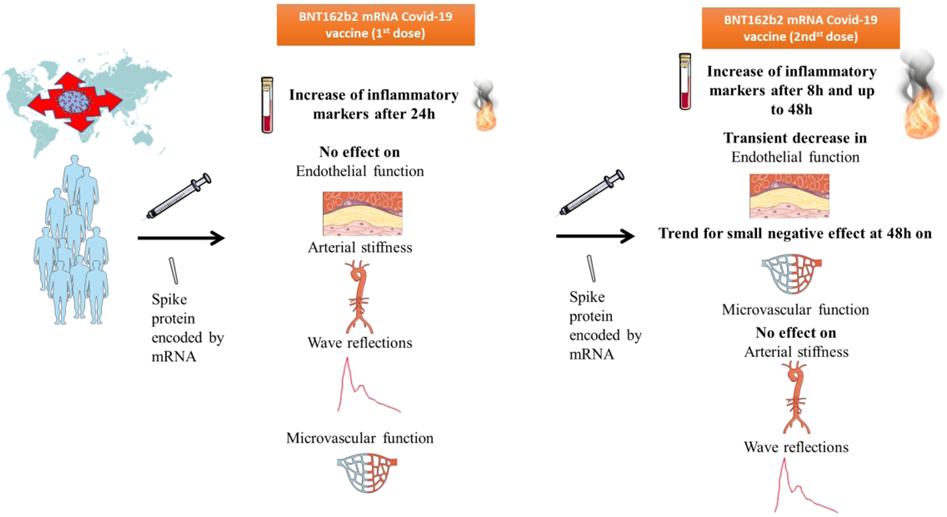
Molecular mimicry between spike protein and host antigens