Emerging 2025 research reveals a compelling link between Long COVID and urinary tract infections (UTIs), with implications for kidney damage, bladder dysfunction, and chronic urinary symptoms. This article synthesizes findings from peer-reviewed studies to explore the etiology, clinical presentation, pathophysiology, treatment, and long-term sequelae of COVID-associated urinary complications.
🧬 Etiology: How SARS-CoV-2 Triggers Urinary Dysfunction
SARS-CoV-2 affects the urinary tract through several mechanisms:
- ACE2 Receptor Binding: The virus binds to ACE2 receptors, which are highly expressed in renal tubular cells, bladder urothelium, and vascular endothelium2.
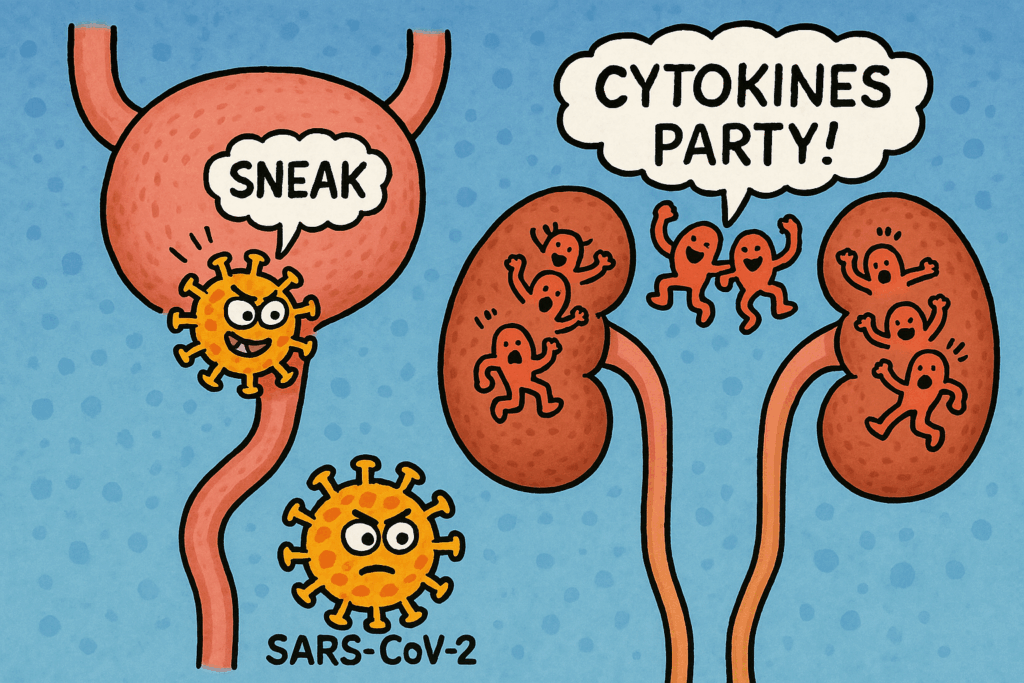
- Inflammatory Cascade: Cytokine storms (IL-6, TNF-α) trigger urothelial inflammation, leading to COVID-associated cystitis (CAC).
- Viral Shedding in Urine: Viral RNA has been detected in urine samples, suggesting direct viral invasion.
- Microvascular Injury: SARS-CoV-2 induces endothelial dysfunction, microclots, and acute kidney injury (AKI).
🚨 Signs and Symptoms
| System | Symptoms |
|---|---|
| Bladder | Urgency, frequency, nocturia, dysuria, incomplete emptying3 |
| Kidneys | Hematuria, proteinuria, flank pain, elevated creatinine4 |
| Systemic | Fever, fatigue, confusion (in AKI), sepsis in complicated UTIs1 |
COVID-associated UTIs may present as lower UTIs (bladder) or upper UTIs (kidneys), with complicated presentations in immunocompromised or catheterized patients.
📜 History and Progression
- Acute Phase: UTIs may occur during active COVID-19 due to viral shedding and immune suppression.
- Post-Acute Phase (Long COVID):
- Persistent urinary symptoms (CAC)
- Increased risk of recurrent UTIs
- Progression to chronic kidney disease (CKD) in vulnerable populations4
A 2025 study in JAMA Network Open found children and adolescents were 17% more likely to develop stage 2 CKD and 35% more likely to develop stage 3 CKD post-COVID.
🧪 Pathophysiology of Kidney and Bladder Damage
| Mechanism | Effect |
|---|---|
| ACE2-mediated viral entry | Direct damage to renal and bladder cells2 |
| Cytokine storm | Inflammation, endothelial injury, and fibrosis4 |
| Microvascular thrombosis | Ischemia and acute kidney injury |
| Neuroimmune dysregulation | Overactive bladder symptoms and detrusor instability |
💊 Therapy and Management (2025 Guidelines)
🔹 Acute and Complicated UTIs
- Empiric Antibiotics:
- Third- or fourth-generation cephalosporins
- Piperacillin-tazobactam
- Fluoroquinolones
- Sepsis Management:
- IV antibiotics and supportive care
- Avoid nephrotoxic agents in AKI
🔹 Long COVID Urinary Symptoms
- COVID-associated cystitis (CAC):
- Anti-inflammatory agents
- Bladder relaxants (e.g., antimuscarinics)
- Pelvic floor therapy
🔹 Kidney Protection
- ACE inhibitors or ARBs (if tolerated)
- Hydration and electrolyte monitoring
- Referral to nephrology for persistent renal dysfunction
⚠️ Follow-On Issues: Chronic Kidney and Bladder Dysfunction
| Complication | Description |
|---|---|
| Chronic Kidney Disease | Progressive decline in GFR, anemia, hypertension4 |
| COVID-associated cystitis | Persistent bladder inflammation and overactive bladder |
| Recurrent UTIs | Due to immune dysregulation and urothelial damage2 |
| Neurogenic bladder | In select Long COVID cases with autonomic dysfunction |
📚 Peer-Reviewed Sources
- IDSA 2025 Guidelines on Complicated UTIs
- JAMA Network Open: Kidney Function Post-COVID
- Biology Insights: COVID and UTI Mechanisms
- Ada Health: COVID-19 and Urinary Symptoms
- Springer: COVID-Associated Cystitis Review
- WebMD: COVID-19 and Kidney Damage