John Murphy
For COVID Survivors Managing Parkinson’s and Short-Term Memory Challenges
🔍 Why Memory Loss Matters
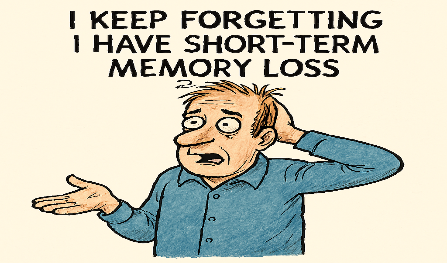
Parkinson’s disease affects more than movement—it can impair short-term memory, attention, and executive function. COVID-19 may accelerate these symptoms through inflammation, oxygen imbalance, and microbiome disruption. This guide summarizes cutting-edge research and treatment strategies to support cognitive health.
🧪 Latest Research Highlights
1. 🌬️ Low-Oxygen Therapy Shows Neuroprotective Effects
- Researchers at the Broad Institute and Mass General Brigham found that mice exposed to low-oxygen environments (similar to high altitudes) showed restored movement and protected brain cells.
- The therapy reduces excess oxygen molecules that fuel neurodegeneration, suggesting a window for reversing damage if caught early.
2. 🧲 Cerebellum’s Role in Memory and Cognition
- Texas A&M researchers are exploring how the cerebellum, traditionally linked to movement, also influences memory and executive function.
- They’re testing Theta Burst Stimulation (TBS), a magnetic therapy that mimics brain rhythms to improve connectivity and slow cognitive decline3.
3. 🦠 Gut-Brain Axis and Microbiome Disruption
- A study from King’s College London found that harmful bacteria migrating from the mouth to the gut may contribute to memory loss and dementia in Parkinson’s patients5.
- These bacteria produce toxins that damage gut tissue and trigger inflammation affecting the brain.
4. 🧬 PNA5: A Potential Drug Candidate
- University of Arizona researchers identified PNA5, a small protein that reduces brain inflammation and preserves memory-related regions7.
- In animal models, PNA5 improved performance on memory tests and may slow cognitive decline.
💊 Emerging Treatments & Strategies
| Treatment | Description | Status |
|---|---|---|
| PNA5 Protein Therapy | Targets inflammation and protects neurons | Preclinical trials |
| Theta Burst Stimulation (TBS) | Non-invasive brain stimulation to improve cognition | Ongoing human trials |
| Low-Oxygen Conditioning | Mimics high-altitude air to reduce neurodegeneration | Animal studies |
| Microbiome Modulation | Oral hygiene, diet, and probiotics to support gut-brain health | Early-stage research |
| Exercise Therapy | Long-term aerobic exercise shown to restore brain connections | Widely recommended |
🧠 Additional Insights
- Cognitive decline in Parkinson’s is linked to dopamine, acetylcholine, and norepinephrine imbalances, which affect memory and attention.
- Mild cognitive impairment (MCI) affects up to 25% of Parkinson’s patients, and while no FDA-approved drugs exist yet for MCI in PD, several are in development.
🧩 Non-Drug Therapies That Help
- Cognitive Rehabilitation: Work with neuropsychologists to strengthen attention and memory strategies
- Physical Exercise: Activities like walking, swimming, or yoga improve brain plasticity
- Mindfulness & Meditation: Reduce stress and improve focus
- Sleep & Mood Management: Treating depression and insomnia can significantly improve cognition
- Structured Routines: Use calendars, labeled drawers, and voice memos to anchor daily tasks
- Brain Games & Social Engagement: Keep cognitive circuits active
- Mediterranean Diet: Rich in antioxidants and omega-3s for brain support
📞 When to Seek Help
Contact your neurologist or memory care team if you notice:
- Persistent forgetfulness or confusion
- Difficulty performing familiar tasks
- Changes in personality or emotional regulation
💬 Final Thought
Recovery from COVID-related memory loss in Parkinson’s is possible. With early intervention, emerging therapies, and lifestyle support, patients can preserve cognitive function and improve quality of life. Stay informed, stay proactive—and never hesitate to ask for help.