📚 Background and Etiology
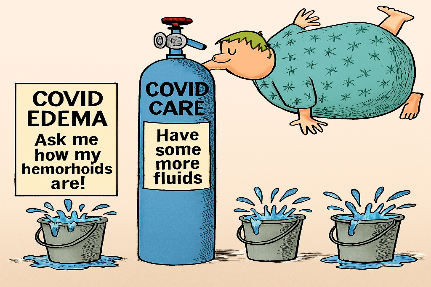
Long COVID, or post-acute sequelae of SARS-CoV-2 infection (PASC), affects 10–30% of individuals post-infection, with symptoms persisting beyond three months. Edema—fluid accumulation in tissues—has emerged as a secondary complication in some Long COVID patients, particularly those with cardiovascular, renal, or inflammatory involvement.
Etiological mechanisms include:
- Endothelial dysfunction: SARS-CoV-2 damages vascular endothelium, increasing permeability and promoting fluid leakage.
- Chronic inflammation: Elevated cytokines like IL-6 and TNF-α disrupt lymphatic drainage and capillary integrity.
- Hypoalbuminemia: Seen in some Long COVID patients, reducing oncotic pressure and contributing to edema.
- Renal microvascular injury: Subclinical kidney damage may impair fluid regulation.
🕰️ History and Symptomatology
Patients with Long COVID-related edema often report:
- Persistent fatigue and heaviness in limbs
- Swelling in lower extremities, especially after exertion
- Fluctuating weight due to fluid retention
- Shortness of breath or orthopnea if pulmonary edema is present6
These symptoms typically emerge weeks to months post-infection and may be intermittent or progressive.
🩺 Physical Examination Findings
Recent studies emphasize the importance of structured physical assessments:
- Peripheral edema: Pitting edema in ankles and legs, often bilateral
- Reduced handgrip strength and 6-minute walk test (6MWT) performance, indicating systemic deconditioning
- Elevated perceived exertion during mild activity (Modified Borg Scale)
- Decreased daily step count and mobility metrics
🧪 Laboratory and Imaging Diagnostics
Routine lab tests often fail to distinguish Long COVID from other conditions. However, targeted diagnostics can help:
| Test | Relevance |
|---|---|
| IL-6 and TNF-α | Elevated in chronic inflammation; correlate with edema severity |
| Albumin | Low levels suggest oncotic imbalance |
| Creatinine and uACR | Assess renal function and microvascular injury |
| BNP or NT-proBNP | Rule out cardiac-related edema |
| D-dimer | Evaluate thrombotic risk, especially in post-COVID vasculopathy |
Imaging such as Doppler ultrasound or echocardiography may be warranted to assess venous insufficiency or cardiac function.
🧘 Therapeutic Approaches to Reduce Inflammation and Edema
🔬 Pharmacologic Interventions
- Low-Dose Naltrexone (LDN): Reduces fatigue and inflammatory pain
- Dexamethasone: Shortens symptom duration and reduces systemic inflammation
- Metformin: Shown to reduce Long COVID incidence by up to 63% in early trials
- Omega-3 Fatty Acids: Moderate benefits for musculoskeletal symptoms
- L-Arginine + Vitamin C: Improves endothelial function and reduces fatigue
🧠 Behavioral and Rehabilitation Therapies
- Cognitive Behavioral Therapy (CBT): Improves fatigue and concentration
- Supervised physical and mental health rehabilitation: Enhances overall recovery and quality of life
- Intermittent aerobic exercise: More effective than continuous exercise for improving physical function
🧪 Emerging Therapies
- Monoclonal antibodies (e.g., sipavibart): Under investigation for symptom resolution
- Immunomodulators: Anakinra (IL-1 antagonist), infliximab (TNF inhibitor), and fluvoxamine (SSRI with anti-inflammatory effects) show promise8
🧭 Conclusion
Edema in Long COVID is a multifactorial condition rooted in vascular, renal, and inflammatory dysfunction. While routine labs may not capture its complexity, targeted biomarkers and physical assessments offer diagnostic clarity. Therapeutic strategies combining anti-inflammatory agents, rehabilitation, and lifestyle interventions are showing promise in reducing edema and improving quality of life.
For clinicians and researchers, the evolving landscape of Long COVID demands a multidisciplinary approach—one that integrates immunology, cardiology, nephrology, and rehabilitation science.